

10 Effective Ways for Homeowners to Save Energy and Stay Cool This Summer
Updated: Jul 7
Summer often means soaring temperatures and rising energy bills. Many homeowners struggle to keep their homes cool without breaking the bank or harming the environment. The good news is that there are practical, effective ways to save energy during the hottest months while maintaining comfort. This post shares ten proven strategies that can help you reduce energy use, lower costs, and contribute to a greener planet.
Use Energy-Efficient Appliances
One of the most straightforward ways to cut energy consumption is by upgrading to energy-efficient appliances. Air conditioners, refrigerators, and fans with ENERGY STAR ratings use less electricity while delivering the same or better performance. For example, ENERGY STAR-certified air conditioners use about 10% less energy than standard models.
Replacing old appliances can seem costly upfront, but the savings on your energy bills quickly add up. Additionally, efficient appliances reduce greenhouse gas emissions, helping fight climate change.
Implement Smart Thermostats
Smart thermostats allow you to control your home's temperature remotely and program cooling schedules based on your lifestyle. These devices learn your habits and adjust settings to avoid unnecessary cooling when no one is home. Studies show smart thermostats can reduce cooling energy use by 10-15%.
For instance, setting your thermostat to 78°F (25.5°C) when you're home and higher when you're away can save significant energy without sacrificing comfort. Many models also provide energy usage reports, helping you track and improve your habits.
Maximize Natural Ventilation
Before turning on the air conditioner, take advantage of natural ventilation. Opening windows and doors during cooler parts of the day, such as early morning and late evening, allows fresh air to circulate and cool your home naturally.
Cross-ventilation, where air flows between windows on opposite sides of a room, is especially effective. Using ceiling fans or portable fans can enhance airflow, making the space feel cooler without using as much energy as an AC unit.
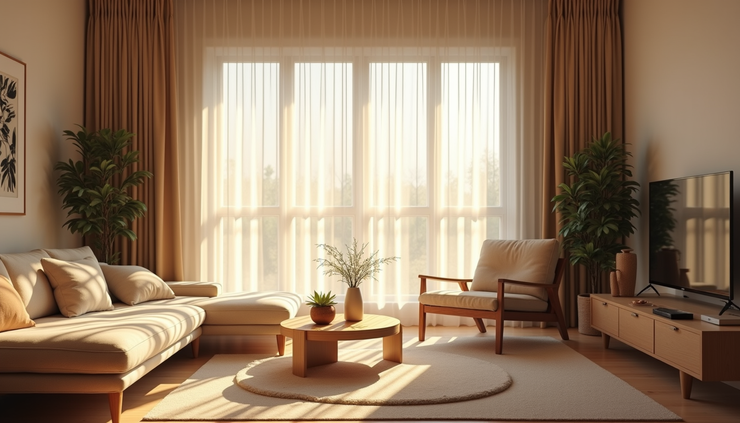
Use Shades or Curtains to Block Heat
Direct sunlight streaming through windows can raise indoor temperatures by several degrees. Using shades, blinds, or curtains to block or reflect sunlight during peak hours can reduce heat gain significantly.
Light-colored or reflective window treatments work best to keep the sun’s rays out. According to the U.S. Department of Energy, properly shading windows can reduce cooling costs by up to 25%. Consider installing exterior awnings or solar screens for even greater protection.
Encourage Outdoor Activities to Reduce Indoor Energy Use
Spending more time outdoors during summer not only helps you enjoy the season but also reduces the need for indoor cooling. Activities like gardening, picnics, or exercising outside mean less time running air conditioners or fans inside.
If you have children, setting up shaded play areas outdoors can keep them comfortable and entertained without cranking up the AC. This simple lifestyle change can lower your household’s overall energy consumption.
Seal Air Leaks and Improve Insulation
Air leaks around windows, doors, and vents let cool air escape and warm air enter, forcing your AC to work harder. Sealing gaps with weatherstripping or caulk can improve energy efficiency by up to 20%.
Improving attic and wall insulation also helps maintain a stable indoor temperature. Proper insulation keeps the heat out during summer and the warmth in during winter, reducing energy use year-round.
Use Ceiling Fans Wisely
Ceiling fans use far less energy than air conditioners and can make rooms feel up to 4°F cooler by circulating air. Use fans in occupied rooms to enhance comfort and reduce reliance on AC.
Remember to turn fans off when you leave a room, as fans cool people, not spaces. Combining fans with higher thermostat settings can save up to 15% on cooling costs.
Plant Trees and Shrubs for Shade
Landscaping can play a big role in keeping your home cool. Planting deciduous trees on the south and west sides of your house, while observing sensible planting locations, provides shade during summer while allowing sunlight in winter after leaves fall.
Research shows that strategic tree placement can lower home cooling costs by 10-50%, depending on the climate and tree size.
Use Energy-Efficient Lighting
Traditional incandescent bulbs generate heat and consume more electricity. Switching to LED or CFL bulbs reduces heat output and energy use.
Since lighting can account for up to 10% of household energy consumption, using energy-efficient bulbs helps keep your home cooler and your bills lower.
Maintain Your Cooling Systems
Regular maintenance of air conditioners and fans ensures they run efficiently. Clean or replace filters monthly during heavy use to improve airflow and reduce energy consumption.
Scheduling professional tune-ups before summer can catch issues early and extend the life of your equipment. Well-maintained systems use less energy and provide better cooling.
Schedule your inspection
Ready to book or have questions? Contact Adams Home Inspections.


Comments