The Ultimate Home Inspection Checklist for Northeast Arkansas Homebuyers
- Kevin Adams

- Dec 1, 2025
- 4 min read
Buying a home in Northeast Arkansas can be exciting and challenging. Whether you are looking at a historic house in Batesville or a new build in Jonesboro, understanding the true condition of the property is essential. A thorough home inspection helps you avoid costly surprises and gives you confidence in your purchase. This guide walks you through everything you need to know about home inspections in this region, highlighting key areas to check and local factors that affect home condition.

Why Home Inspections Matter in Northeast Arkansas
Homes in Northeast Arkansas face unique challenges. The region experiences seasonal storms that can damage roofs and siding. Clay soil, common here, expands and contracts with moisture changes, which can cause foundation shifts. Older neighborhoods often have aging electrical panels and sewer lines that may need upgrades. Newer developments might have construction shortcuts or unfinished details.
A professional home inspection uncovers these issues before you buy. It provides an objective evaluation of the home’s major systems and structure. This knowledge helps you negotiate repairs, plan maintenance, or decide if the home fits your needs and budget.
What a Home Inspector Looks For
Licensed home inspectors follow a detailed checklist to assess the property. Here are the components they evaluate:
Roof and Exterior
Condition of shingles or roofing material
Signs of leaks, water damage, or missing shingles
Gutters and downspouts function and attachment
Siding, paint, and trim condition
Windows and doors for proper sealing and operation
Driveways, walkways, and grading for drainage issues
Foundation and Structure
Visible cracks or shifts in foundation walls
Signs of water intrusion in the basement or crawl space
Structural integrity of beams, joists, and load-bearing walls
Evidence of termite or pest damage
Plumbing System
Water pressure and flow in faucets and showers
Condition of pipes, including signs of leaks or corrosion
Function of water heater and age of the unit
Sewer line inspection if possible, especially in older homes
Electrical System
Age and condition of the electrical panel and breakers
Proper grounding and wiring safety
Function of outlets, switches, and lighting fixtures
Presence of GFCI outlets in wet areas like kitchens and bathrooms
Heating, Ventilation, and Air Conditioning (HVAC)
Age and operation of furnace, air conditioner, and heat pump
Cleanliness and condition of ductwork and vents
Thermostat function and energy efficiency considerations
Interior Rooms and Appliances
Walls, ceilings, and floors for cracks, stains, or damage
Doors and windows for smooth operation and security
Kitchen appliances for age and working condition
Bathrooms for leaks, water damage, and ventilation
Special Considerations for Northeast Arkansas Homes
Clay Soil and Foundation Movement
Clay soil expands when wet and shrinks when dry, causing foundation movement. Inspectors pay close attention to foundation cracks and uneven floors. If you see signs of shifting, consider consulting a structural engineer.
Storm Damage Risks
Frequent storms can damage roofs, gutters, and siding. Look for missing shingles, dents in metal surfaces, or water stains inside the home. Storm damage may not be obvious but can lead to costly repairs later.
Aging Infrastructure in Older Neighborhoods
Homes built decades ago may have outdated electrical panels or plumbing systems. Inspectors check for knob-and-tube wiring, aluminum wiring, or galvanized pipes that may need replacement for safety and insurance purposes.
Rapid Growth and New Construction
New developments in cities like Jonesboro may have homes built quickly. Inspections ensure builders followed codes and standards. Watch for unfinished work, poor drainage, or low-quality materials.
How to Prepare for Your Home Inspection
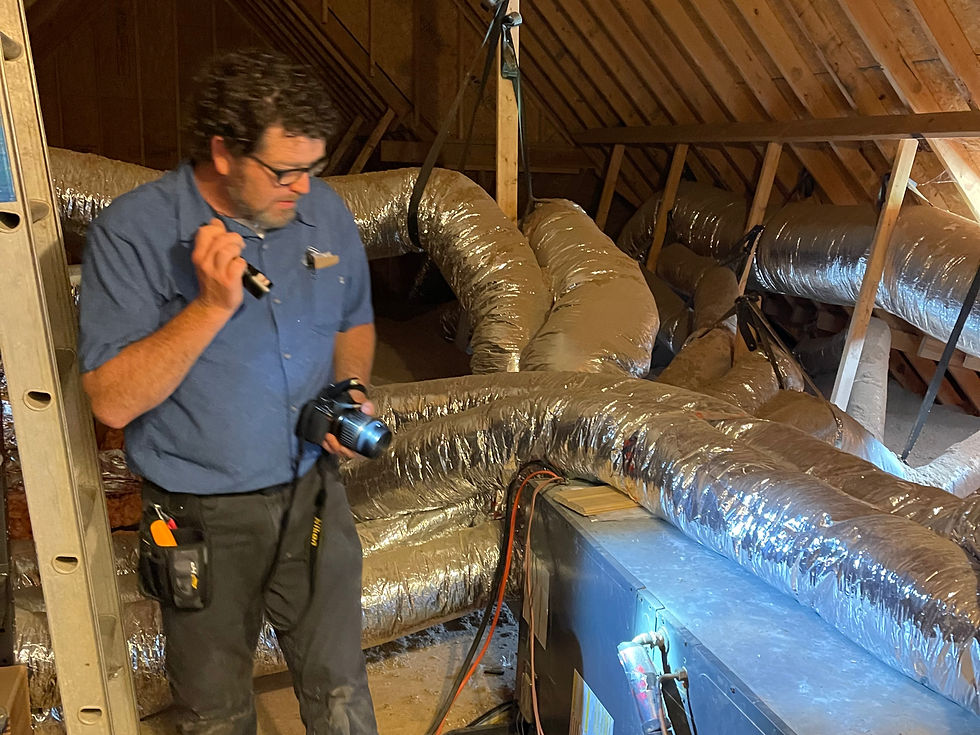
Attend the inspection if possible. Seeing the inspector at work helps you understand issues firsthand.
Make a list of concerns or questions about the property before the inspection.
Review the inspection report carefully once completed. It will include photos, descriptions, and recommendations.
Use the report to negotiate repairs or price adjustments with the seller.
Common Issues Found in Northeast Arkansas Homes
Roof leaks or damaged shingles after storm season
Foundation cracks due to clay soil movement
Outdated electrical panels lacking modern safety features
Plumbing leaks or corroded pipes in older homes
HVAC systems nearing the end of their lifespan
Poor drainage causing water pooling around the foundation
What to Do After the Inspection
After receiving the inspection report, prioritize repairs based on safety and cost. Some issues, like electrical hazards or foundation problems, require immediate attention. Others, like cosmetic repairs or appliance replacements, can be planned over time.
If the inspection reveals major problems, you may decide to walk away or renegotiate the purchase terms. Remember, a home inspection is your tool to make an informed decision, not just a formality.
Final Thoughts on Home Inspections in Northeast Arkansas
A home inspection is a critical step in buying a home in Northeast Arkansas. It reveals the true condition of the property and helps you avoid unexpected expenses.
At Adams Home Inspections, we take the time to build lasting relationships with every client we serve across Northeast Arkansas.
Our team is committed to honesty, dedication, and integrity in every inspection we perform.


Comments